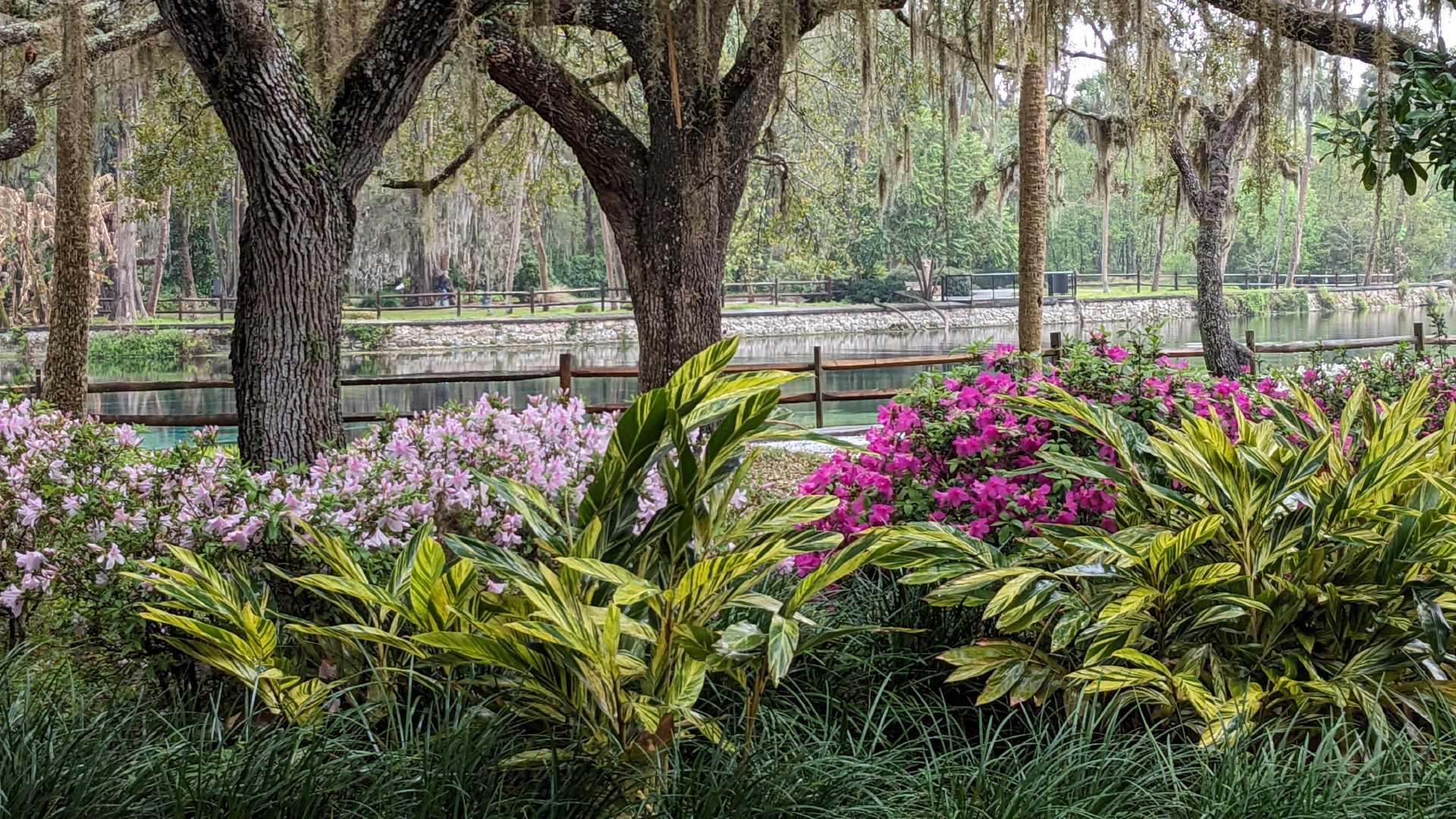

Friends of Silver Springs State Park protect and preserve our manatees’ favorite escape.
When we are younger, places like Silver Springs feel permanent. We paddle the river, marvel at the clarity of the water and assume it will always be this way. The glass-bottom boats glide past, manatees drift below and the springs flow with steady confidence. It is easy to enjoy it without thinking about what it takes to keep it that ways.
With perspective comes the understanding that natural treasures do not preserve themselves. Water quality, wildlife protection and access to open spaces require intention. Stewardship becomes less of an abstract idea and more of a responsibility — especially when we begin thinking about the generations that will come after us.
Silver Springs is not just a park. It is one of the largest freshwater artesian springs in the world, producing millions of gallons of crystal-clear water each day. It is part of our identity in Marion County. And like any living system, it requires vigilance, education and care.
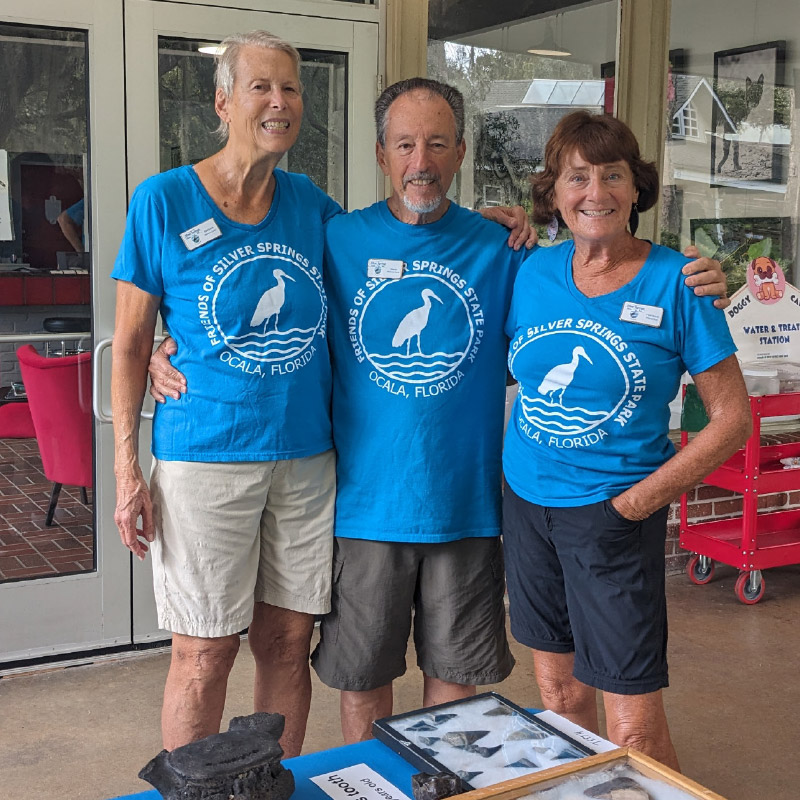
That is where the Friends of Silver Springs State Park step in. As the park’s citizen support organization, this all-volunteer nonprofit works year-round to protect the ecological health of the springs, educate visitors and provide critical financial support for projects that sustain the park’s future.
Silver Springs remains one of the few largely undeveloped spring runs in Florida, its clear waters sustaining a remarkable range of plant and animal life. Yet as visitation increases, so does the pressure on that fragile balance.
“The greatest impact on the river now is being made by its human visitors,” says Barbara Toeppen-Sprigg, president of Friends of Silver Springs State Park.
Paddle craft, motor vessels and the iconic glass-bottom boats converge in the headspring area, particularly during peak seasons. When manatees gather there, they have priority. Their movements and behavior must not be altered by human demand.
For the manatees, these waters are not a destination. They are home. Our presence — however well-intentioned — should never disrupt the rhythms that sustain them.
Barbara believes the conversation extends beyond a single species or a single moment of congestion at the headspring.
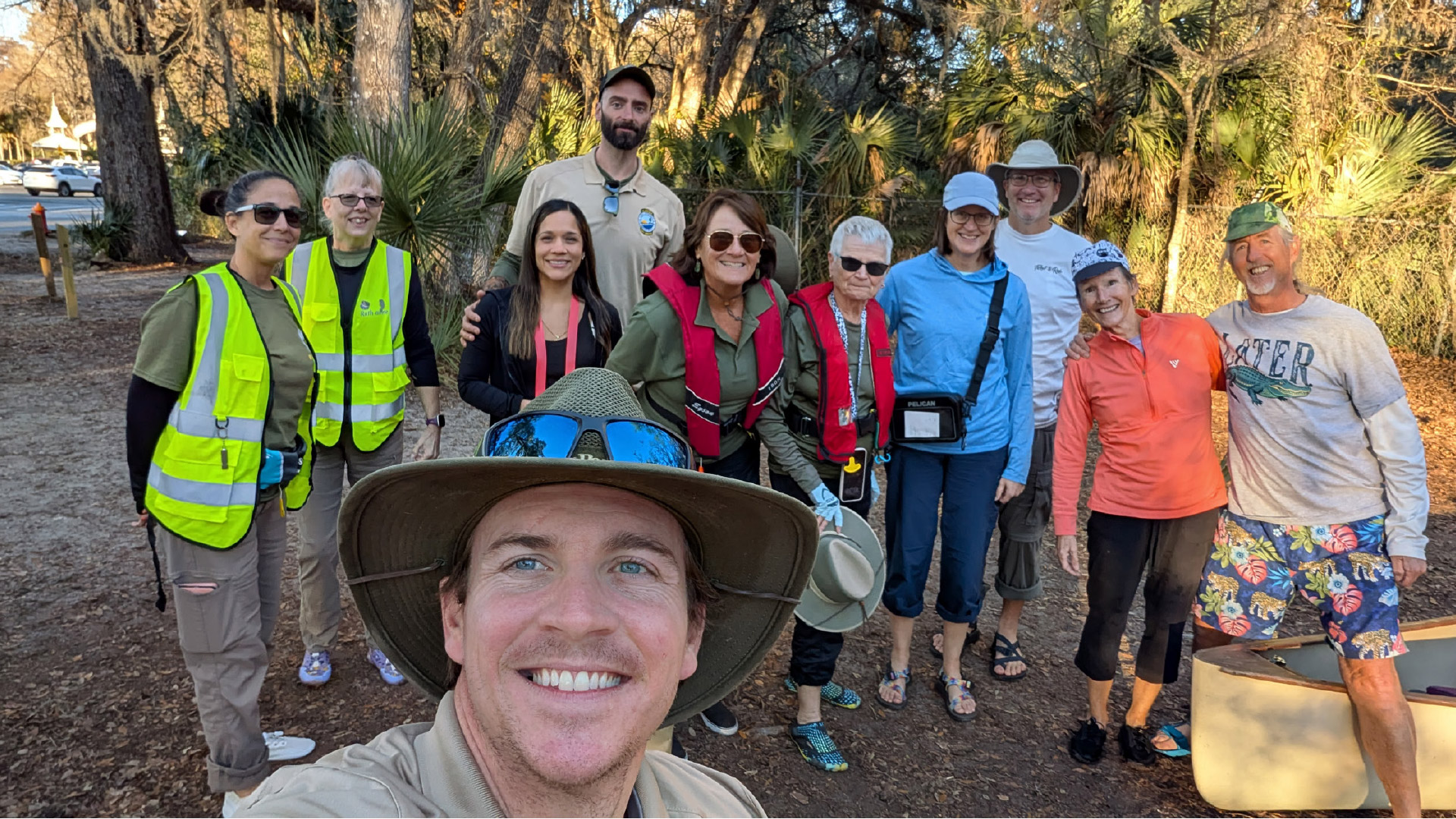
“Like other public spaces, how visitors use the environment is crucial to maintaining a healthy population of plants and animals,” she explains. “Clean water doesn’t stop here. It continues its journey all the way to the Atlantic.”
Finding balance among water-based recreation, wildlife protection and visitor expectations, she adds, will only become more complex as interest in the park grows.
At the same time, large sections of the park’s interior remain far less explored. Expanding how visitors move through the park — beyond the water — could ease pressure on the springs while deepening appreciation for its broader ecosystem. Miles of underutilized hiking trails wind through the landscape, and two recently completed bridges have expanded access to the eastern and southern sections. As more visitors begin to discover these areas, the experience of Silver Springs can become both broader and more sustainable.
Like many who come to Silver Springs, Barbara’s own involvement began on the water. While kayaking the spring run in 2016, she met a volunteer who encouraged her to consider joining the park’s Kayak River Patrol — a program in which trained volunteers assist visitors from their own paddle craft. She registered and soon found herself drawn further into the Friends organization.
“I was entranced by our fabulous park,” she says. “I consider it the most beautiful public place within 100 miles, and I wanted to help make it as accessible — yet protected — an environment as possible.”
That balance between access and protection guides the Friends’ work today.
Education remains central to that mission. The organization operates a welcome center at the western end of the Lundy Building, helping visitors understand how to responsibly use and enjoy the park. It offers youth programming, including “A Day in the Park,” and has produced “A Guide to Silver Springs State Park,” a book detailing the springs’ history, geology and ecology. Proceeds from the book are directed back into projects that support preservation and park improvements.
That commitment to education is carried forward by volunteers like Marianne Marcoux, a former teacher in Marion County who now helps shape how visitors experience the park beyond the water. She helped launch the “Day in the Park” program and manages the gallery and welcome center, where local artists reflect the springs and their wildlife through their work.
“She just keeps thinking about what is needed and figuring out how to meet that need,” Barbara says.
Beyond education, much of the Friends’ work is practical — and often unseen.
Among the organization’s current priorities is funding for a pull-behind debris blower — essential equipment used to clear firebreak roads and trails after storms. The park’s aging tractor and manually operated blower are nearing the end of their lifespan. A modern, truck-pulled system would improve safety, efficiency and long-term maintenance of the park’s extensive trail network.
Looking ahead, Barbara hopes to see broader solutions that extend beyond the park’s boundaries. In winter months, manatees must wait to be locked through Buckman Lock — like boats — to access warmer, food-rich waters. Restoring the Ocklawaha River’s original flow, she believes, would provide safer and more natural winter habitat.
“We have become something of a birthplace and nursery for new manatees,” she says. “That is important to protect.”
Whether the need is as immediate as clearing storm debris or as expansive as restoring a river’s natural course, the work remains rooted in stewardship.
At Silver Springs, that commitment is rarely dramatic. It is visible in cleared trails after a storm, in informed visitors who understand how to share the water with wildlife, and in volunteers who give their time year after year.
The springs may feel permanent when we are young. With perspective comes the understanding that their future depends on deliberate care — and on a community willing to share both the water and the responsibility for protecting it.
This year, Live Oak International hosts USEF National Championships for Four-in-Hand and Youth Driving, placing national titles on the line and drawing some of the strongest fields in the country. For younger athletes, the opportunity to compete in the main arena, on grass, under championship conditions is both rare and formative.
At the center of it all is Chester C. Weber, widely recognized as one of the most accomplished combined driving athletes in the world. A multiple medalist at the FEI World Equestrian Games and 22x USEF National Champion, Weber has helped define the sport at its highest level. Hosting Live Oak International at his family’s farm is not simply about staging a competition—it is about creating an environment that reflects the sport at its highest level.
The weekend’s competitive flow unfolds across four days. Thursday opens the event with combined driving dressage in the main ring, marking the first phase of driving competition. On Friday, driving dressage continues alongside the early show jumping classes, including the CSI4* Qualifier. Saturday features the driving marathon across the property in the morning, with additional show jumping in the arena later in the day, including the CSI1* Grand Prix and CSI4* Stake. Sunday brings the final driving cones and obstacles phases in the morning, followed by the CSI4* $200,000 Live Oak International Grand Prix in the afternoon, closing out both disciplines and highlighting the crescendo of competition from start to finish.
While the sport anchors the event, the atmosphere extends well beyond the arena. Tailgating—long a Live Oak International tradition—takes on a new dimension this year, with curated food and beverage packages delivered directly to reserved spaces. Hospitality areas, including wine gardens and the Biergarten, offer places to gather between classes, and the AdventHealth Ocala Kid Zone returns for younger spectators.
And then there is Saturday night. Each year, the event closes its most competitive day with a themed celebration that has become its own tradition. This year’s “Out of This World” party once again promises an evening that departs from the arena entirely, with entertainment revealed only as the night unfolds.
With national championships on the line and world-class competitors descending on Ocala, Live Oak International returns March 12-15, 2026. Advance General Admission tickets are $15, children under six are free, and VIP hospitality packages begin at $300.
For one week each spring, Live Oak Stud becomes a championship venue—and a gathering place—where tradition, competition and community meet on the grass.