
The Florida Native Plant Society harnesses the power of plants to protect our state’s rarest habitat.
Marion County’s landscape is part of Florida’s most unique ecosystems—the scrub, where plant species have evolved over thousands of years to thrive in sandy ridges and elevated scrubland that extends into the Ocala National Forest. Long before Marion County’s neighborhoods and highways appeared, these scrublands supported a remarkable community of plant life and wildlife, including the Florida scrub-jay and many other plant species uniquely adapted to Florida’s heat, drought and sandy soils.
Today, groups like the Marion Big Scrub Chapter of the Florida Native Plant Society are working to protect these fragile ecosystems while helping residents understand the vital role Florida native plants play in sustaining the environment.
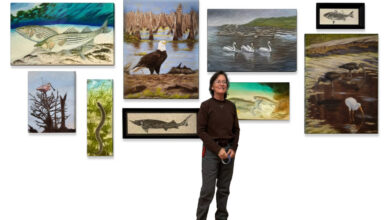
For Deborah Curry and the members of the Marion Big Scrub Chapter, protecting these landscapes isn’t simply about how they look—it’s about safeguarding the ecological foundation that supports Florida’s wildlife, water systems and future generations. By planting even a few of these plants in their own yards, residents can help restore balance to the place they call home.
Deborah’s connection to Florida’s landscapes began long before she became involved in conservation work. Her family has deep roots in the state, and some of her earliest memories are of visiting her grandparents’ farm near Delray Beach. She recalls walking the pastures between family farms and picking guavas along the fence line for her grandmother’s homemade jelly—simple moments that made those places feel both familiar and meaningful. Those early experiences shaped a lifelong appreciation for Florida’s natural environment and the plant life that defines it.
Native plants are central to the conservation work of the Marion Big Scrub Chapter. The group meets monthly in Ocala and works with community partners on restoration projects, educational programs and citizen science initiatives that help protect local habitats throughout Marion County. Members also collaborate with organizations such as UF/IFAS Extension (University of Florida’s Institute of Food and Agricultural Sciences), Master Gardeners and local conservation groups to raise awareness about the role these ecosystems play in supporting wildlife and preserving Florida’s natural systems.
Through education, habitat restoration and community outreach, members work to help residents better understand how these plant communities support pollinators, birds and the broader ecological balance of Marion County.
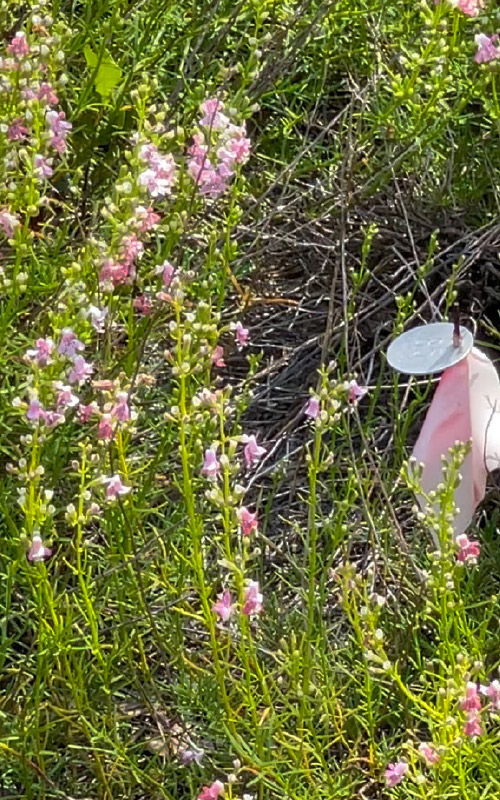
One example of this work is the chapter’s long-term tracking of Dicerandra cornutissima. For five years, Deborah and her team carefully tracked this endangered native species—counting flowers and even nonflowering growth—discovering that some could live as long as five years.
This plant also plays a critical role in supporting pollinators and birds that depend on it for survival. When natural habitats are replaced by large expanses of turf grass or non-native ornamental landscaping, Deborah explains, the environment often becomes far less supportive of wildlife.
“We need only to transform half of every private landscape to a natural setting with native shrubs and perennials to recover some level of stability in the cascading loss of moths, butterflies and songbirds,” she says. “This is our prayer.”
For homeowners, supporting native habitat does not require transforming an entire yard overnight. Deborah explains even small changes—such as planting coontie, saw palmetto or beautyberry beneath existing oak trees, or adding wildflowers like coreopsis or blazing star—can create valuable food sources for pollinators and birds. Species like Darrow’s blueberry are also well adapted to Marion County’s sandy soils and changing climate.
Deborah says the message is ultimately about paying closer attention to the natural world that still surrounds Marion County residents. “Listen,” she says. “If you hear the cardinals singing, the catbird whining or the sandhill cranes screeching, it’s because parts of Marion County near you are protected from development. Go to those places and refresh yourself. Hug a tree slowly and remember to tell it thank you—for cooling rain and most of our oxygen.”
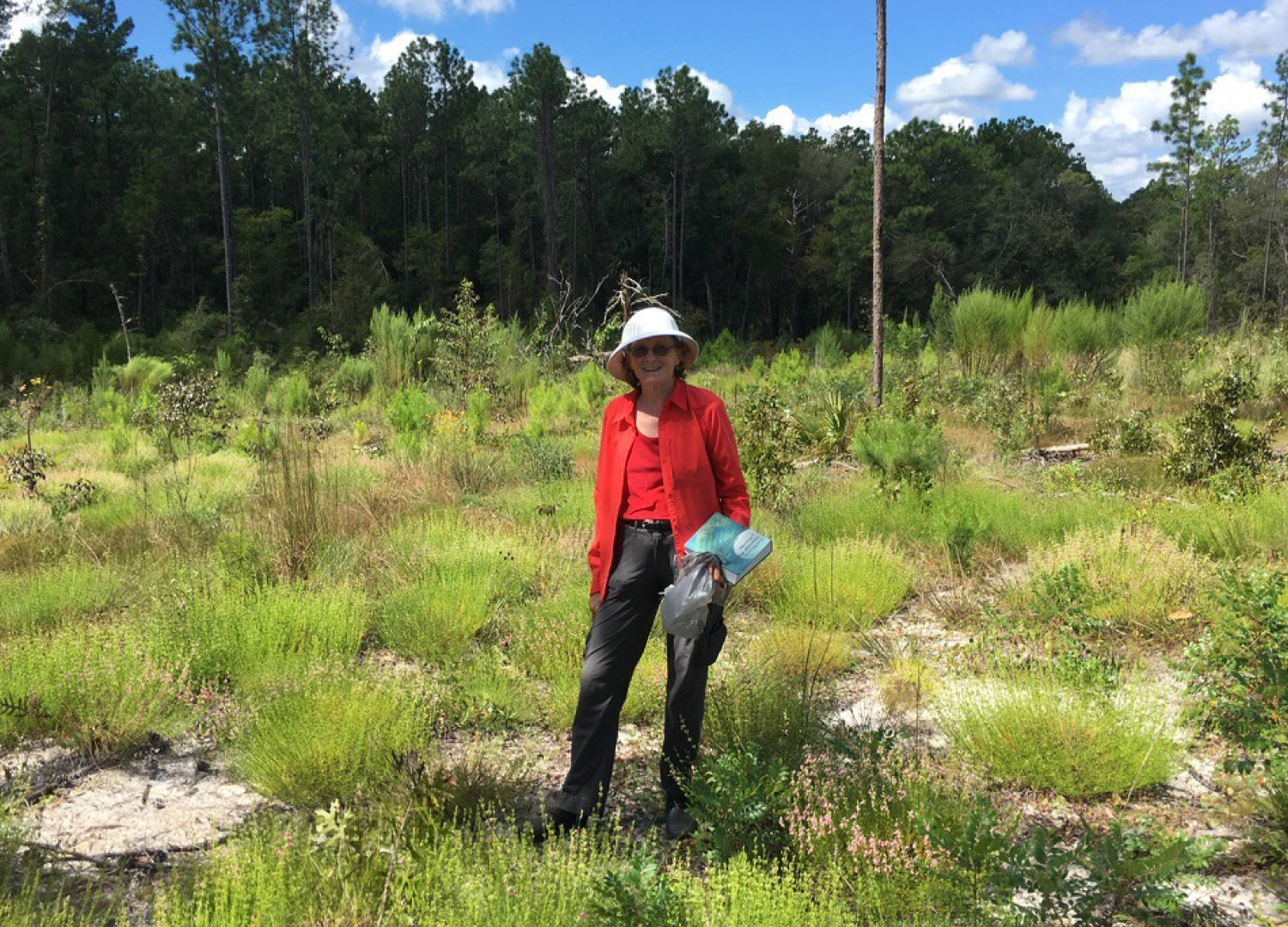
Photos courtesy of the Florida Native Plant Society, Marion Big Scrub Chapter:
More information about the Marion Big Scrub Chapter of the Florida Native Plant Society, upcoming events and volunteer opportunities can be found through the Marion Big Scrub Chapter on the Florida Native Plant Society website at www.fnps.org.